Many have compared Swat Valley’s beauty to Switzerland. They both provide stunning views of snowcapped mountains as a scenic backdrop. At the base of the Hindu Kush mountains, the valley has become a picturesque tourist destination within Pakistan. Visitors are often surprised to learn about the valley’s rich history with Buddhism. Once the cradle of the Gandhara region, an epicenter and pilgrimage site for early Buddhism, the area was an influential gateway through which Buddhism spread to Central Asia and China. Buddhist relics dating back 2,000 years have been unearthed throughout Swat Valley and Peshawar Valley.
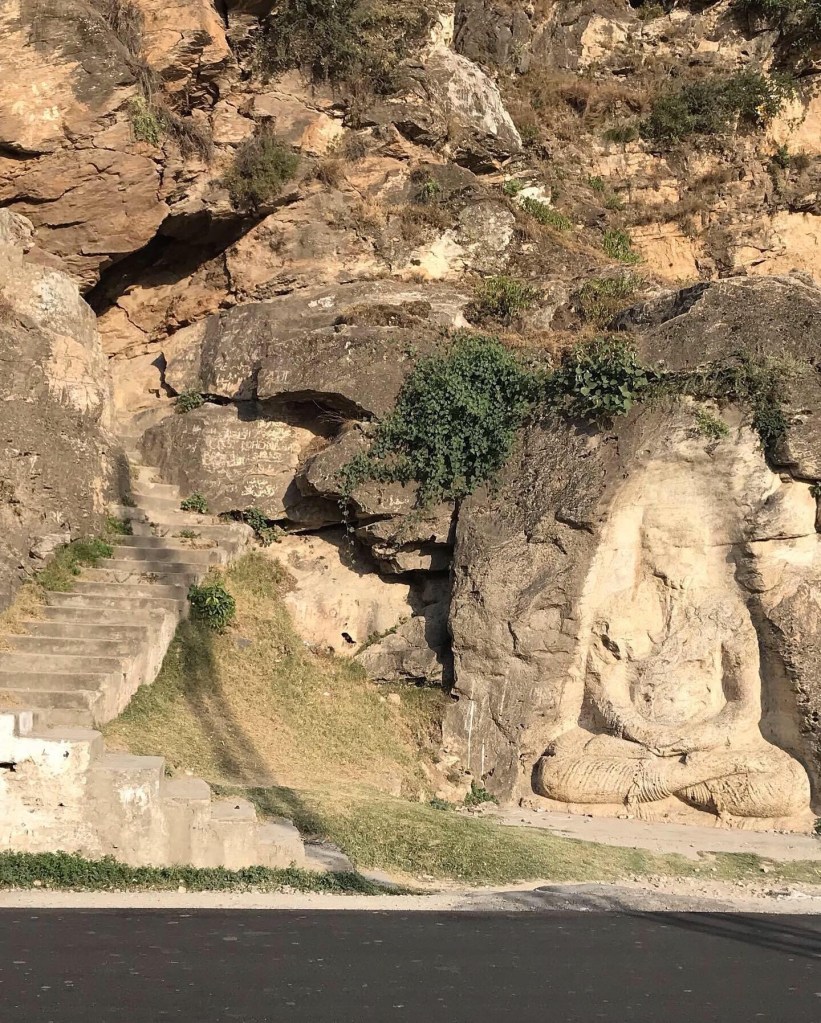
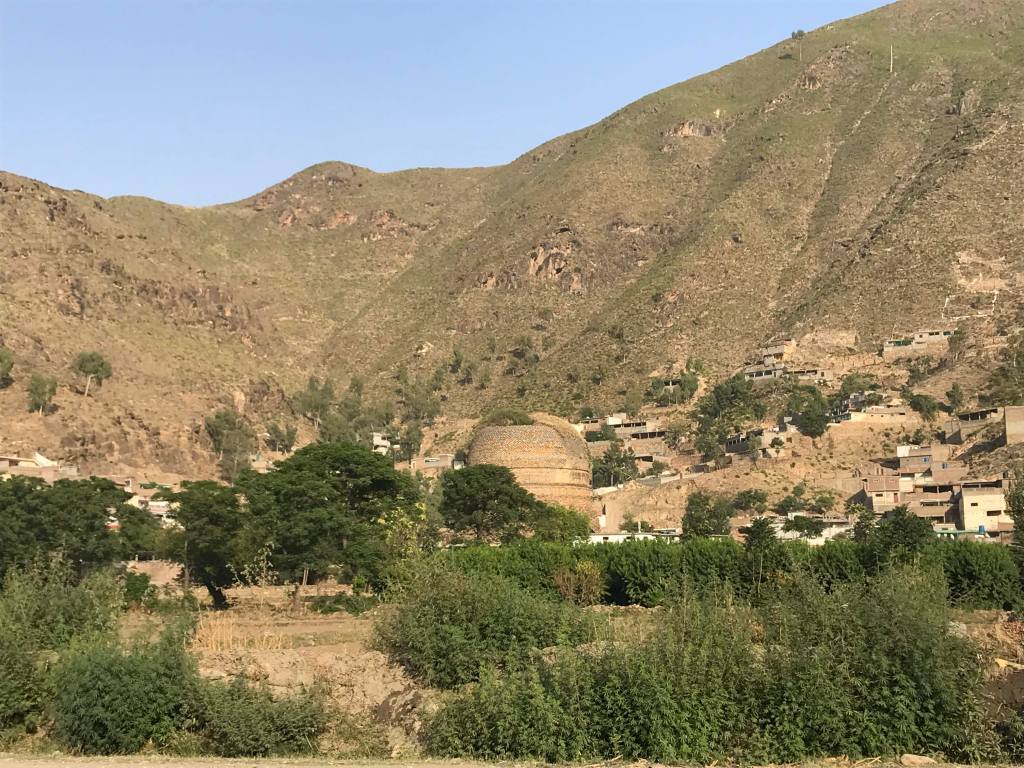
Our drive to Swat Valley from Islamabad took about 3.5 hours. Before reaching the main town of Mingora, my guide pulled over for what seemed like a random bathroom break, until I looked up and saw a large Buddha carving much taller than I (a short 5’0 to be fair) on the rock wall. Very weathered and unfortunately vandalized, the piece still made an impact. In the distance, we could see a large stone stupa popping out from a field of crops, blending into the earth tones surrounding it.

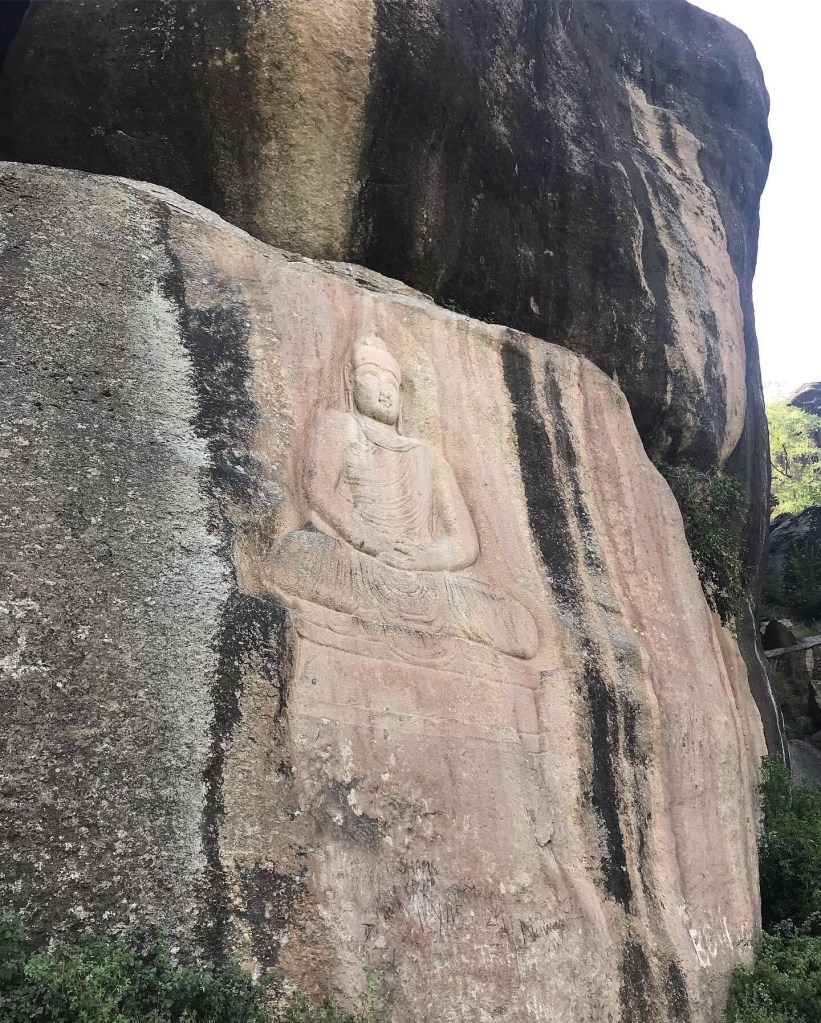
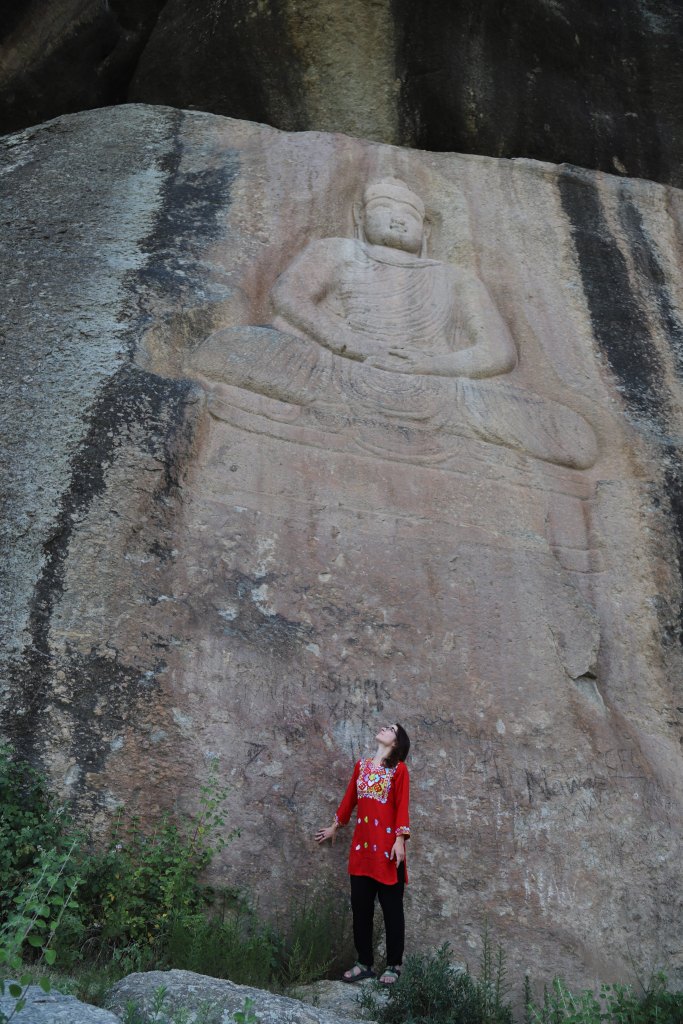
We checked into the lovely Swat Serena Hotel, a delightful mix of colonial and modern aesthetic, laid out on a lush six acres of lawn and gardens. Before settling in, my guide took me on a little hike to see the famous 7th-century Jahanabad Buddha. Defaced and dynamited by the Taliban in 2007, then later restored by Italian archeologists in 2012. The trail to the site wasn’t obvious, so we made a few wrong turns before finally getting face-to-face with the huge and humbling rock wall carving, with sweeping views of the valley behind us. It was worth the trek.



From 2007 to 2009, the Taliban’s violent reign controlled Swat Valley. Hundreds of schools were destroyed to enforce banning education for girls, numerous ancient monuments were vandalized and ruined, and any critics or disobeyers were slain in public squares. A popular commerce intersection in the town of Mingora became known as Khooni Chowk, which translates to “Bloody Square”, due to corpses being put on daily display. In 2009 the Pakistani Army took back control of Swat Valley, and Mingora is once again a bustling center for trade and socialization. Vendors lined the streets while the sounds of car horns and smells of spices filled the air. Culturally, some remnants of Taliban rule with Sharia Law could still be felt among the few women we encountered, who wore full burqas with woven netting covering their eyes (if they dared to be out in public at all).


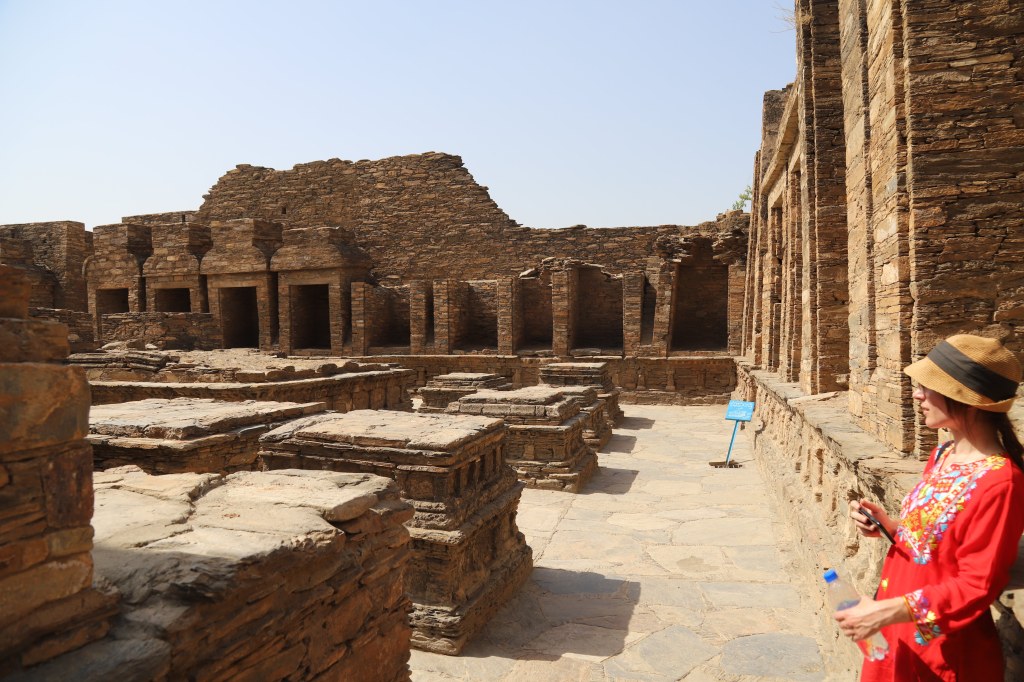
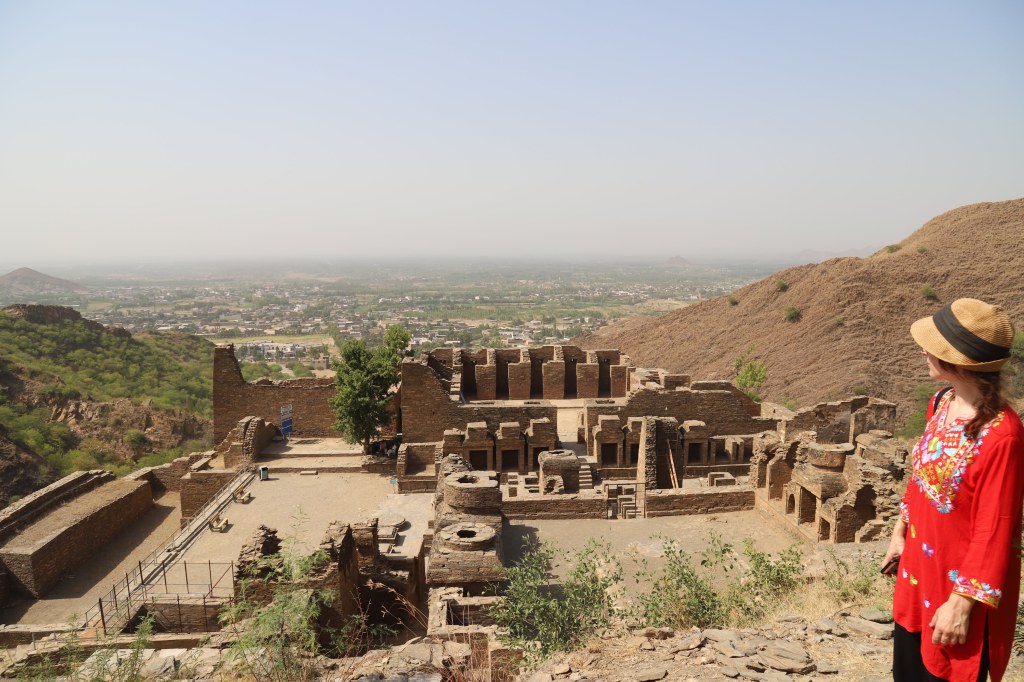
On the way to Peshawar the next day, we stopped at the ever impressive Takht-i-Bahi, a Buddhist monastic complex built in the 1st century and used until the 7th century. Due to its location atop a hill, it’s incredibly well preserved having been spared invasions. The ruins consist of various sections, including a main stupa courtyard, monastic chambers and meditation cells, a conference hall, covered stepped passageways and other buildings. In 1980 the monument became a certified UNESCO World Heritage Site. That day we were the only visitors strolling the grounds and going back in time (likely due to the sweltering heat!).




My time in Swat Valley was brief. We clearly honed in on historical aspects rather than the abundance of nature and outdoor opportunities, so I look forward to returning to play a bit more outside. The hiking, camping, and overall adventure options in the area are plentiful! As are the museums for even more historical intrigue.
 Wandering Ways