As one of the most ancient cities of the Indian subcontinent, Peshawar has for centuries been a center of trade between much of Asia. Modern day Peshawar continues to be a city that links Pakistan to Afghanistan. Sadly, Peshawar was immensely affected by the Taliban throughout their prevalent years, often in the news for suicide bombing attacks, violent massacres at schools, and various terrorist acts towards shrines, churches and mosques. Being so, it had been far removed from the tourism radar for some time. Unlike from the mid-1950s to the late 1970s when it was a crucial part of the “hippie trail” – Peshawar was a stop all travelers did when crossing the Khyber Pass.
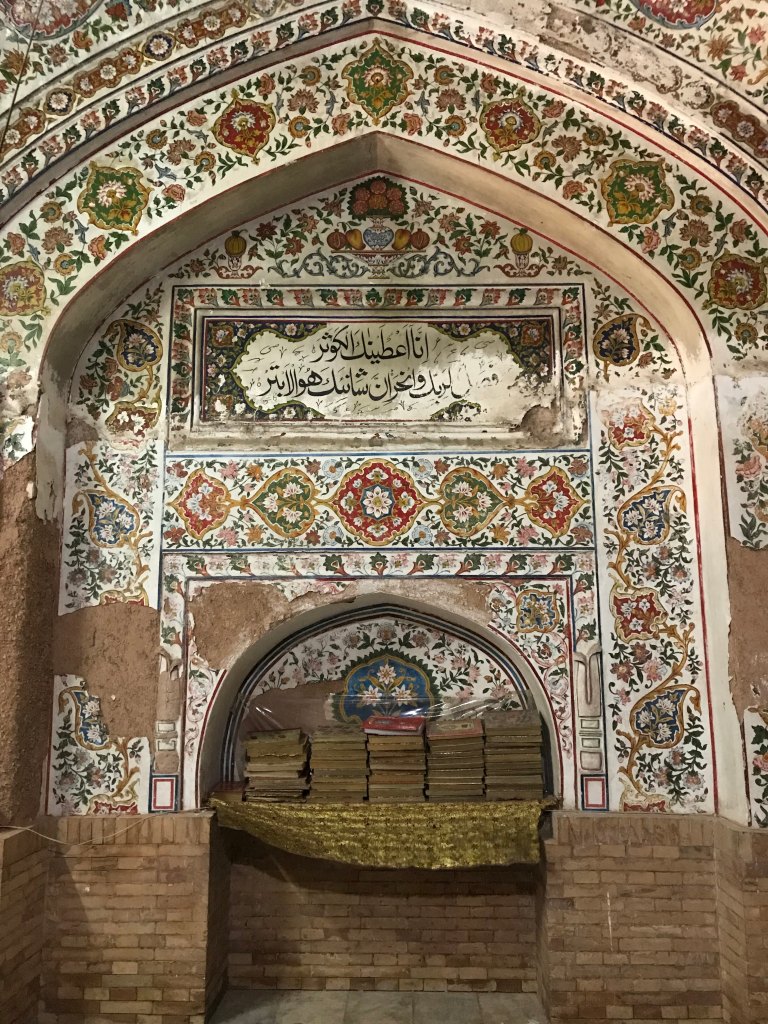
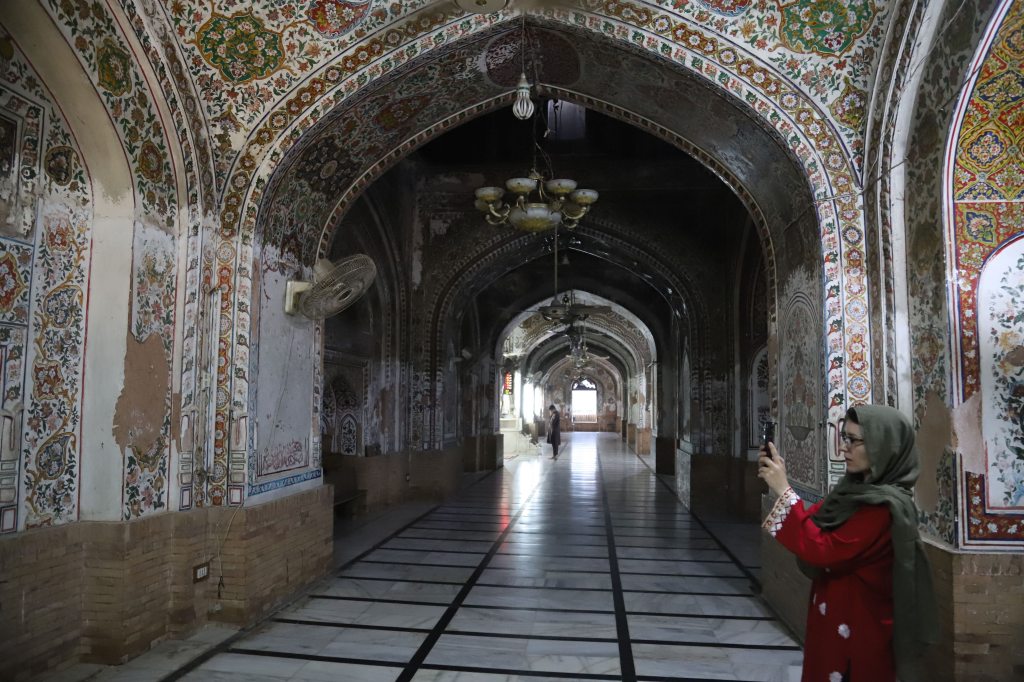
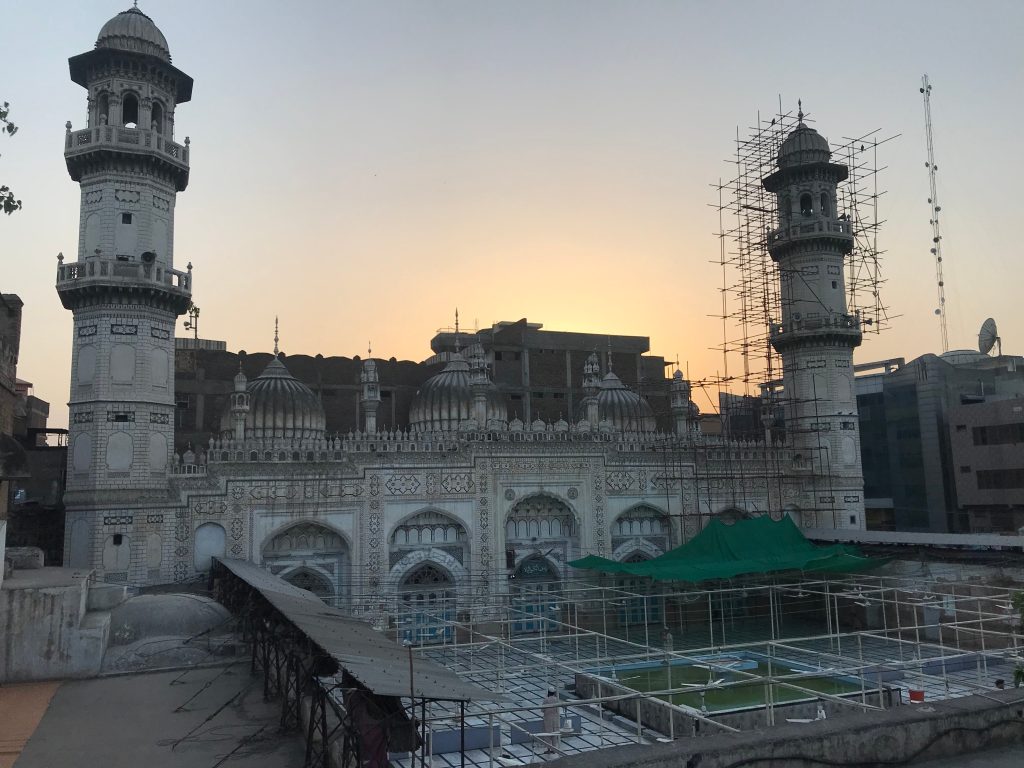
With only one night, my guide shared as much of Peshawar as possible. Our first stop was the iconic, white marble Mahabat Khan Mosque, a Mughal-era mosque built in the 17th century. The interior was ornately and antiquely stunning. Painted floral motifs, geometric designs, and Arabic calligraphy covered the walls, and vibrantly colored and evidently aged stained glass allowed rays of magical light to grace our presence. The exterior and minarets were under renovation with scaffolding set up, but the sunset backdrop we were lucky to catch emphasized the true beauty. Men were kneeling outside in prayer, some chanting while some bathed their hands and feet. The setting was serene.




With such a rich history of trade, along the Silk Road and beyond, it’s no wonder Peshawar still appeals to the curious, intrepid traveler. Which is why I went – to scout out current accommodation options, tourist sites, and overall accessibility for GeoEx’s curious clientele. And what an unforgettable experience it was. It’s rare to explore places that feel so untouched and unfamiliar with western foreigners these days.
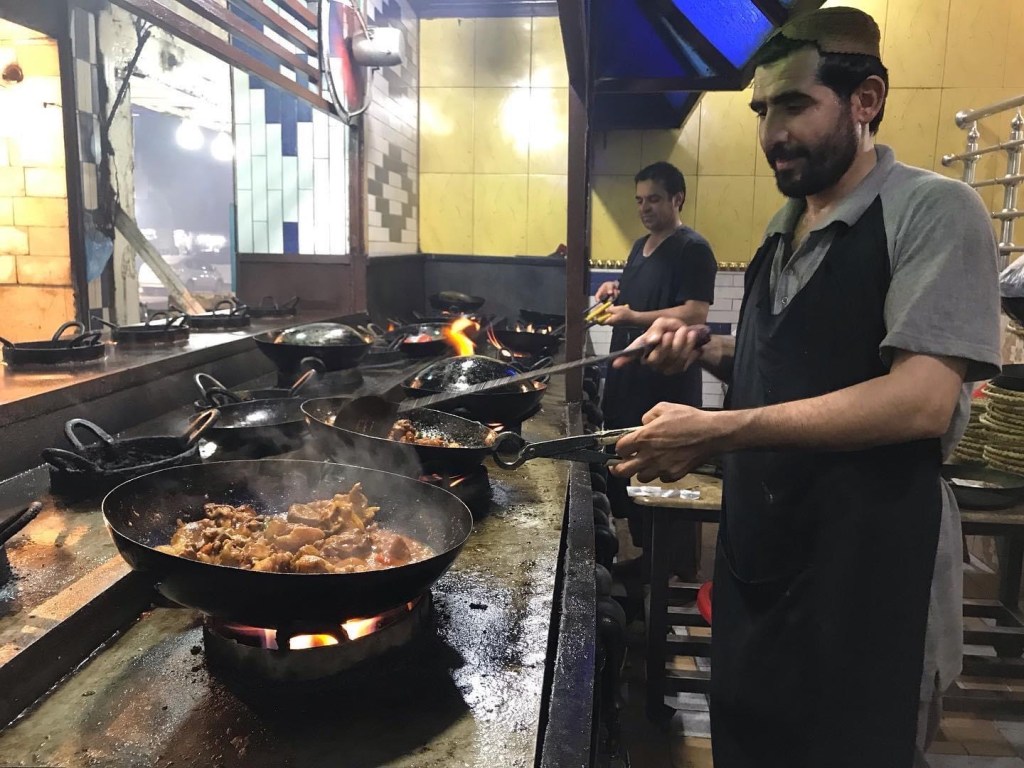
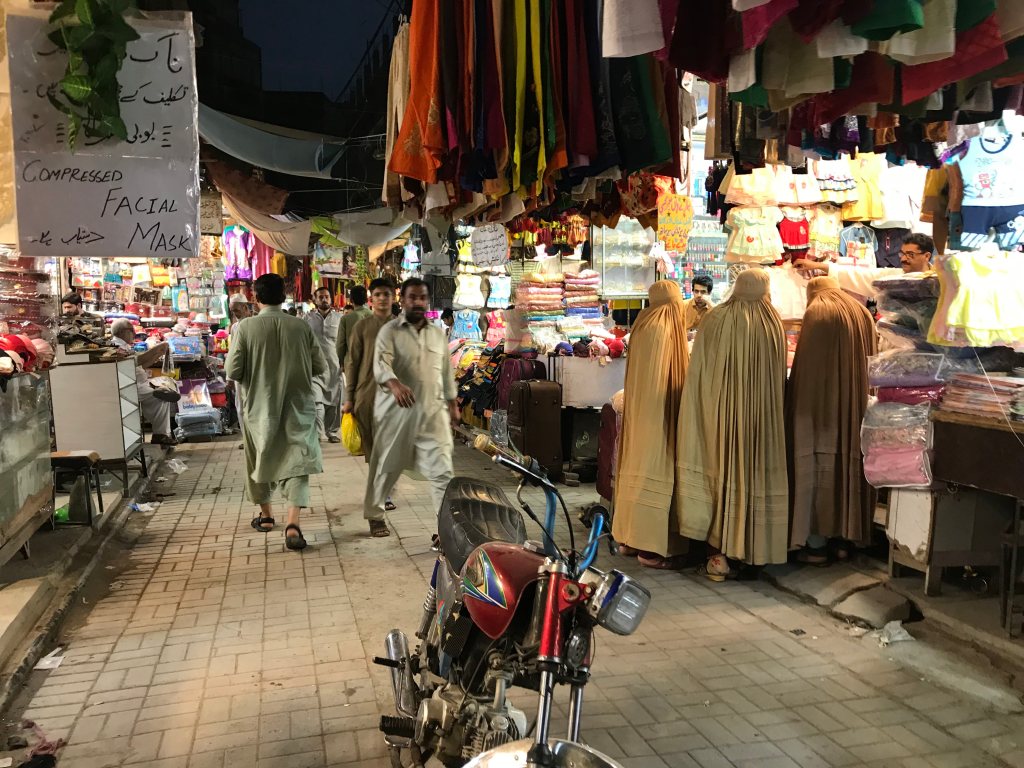
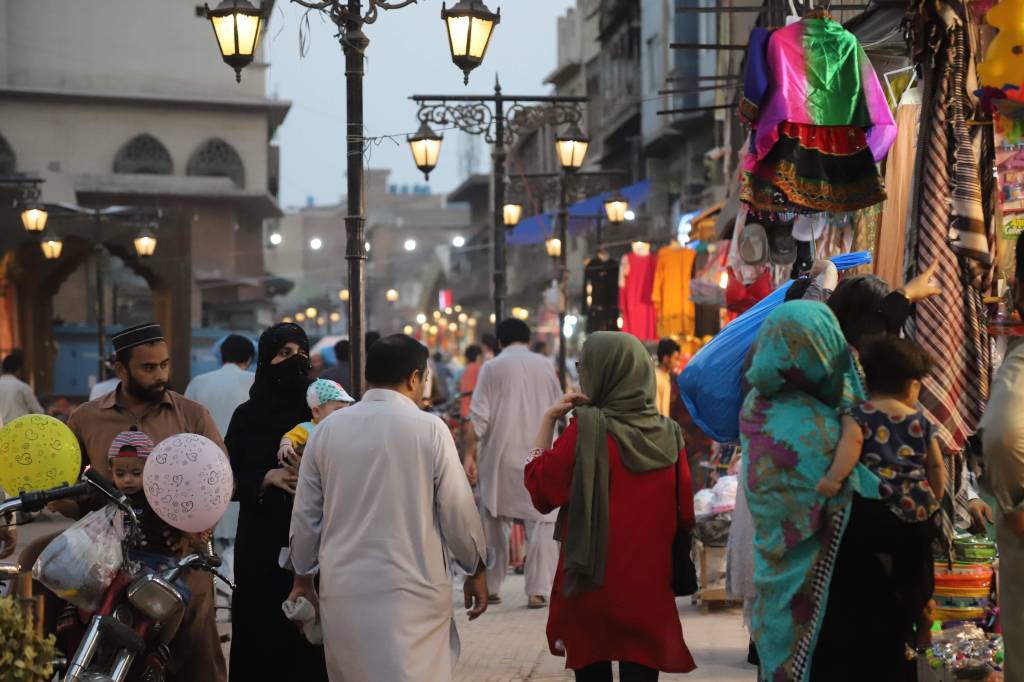
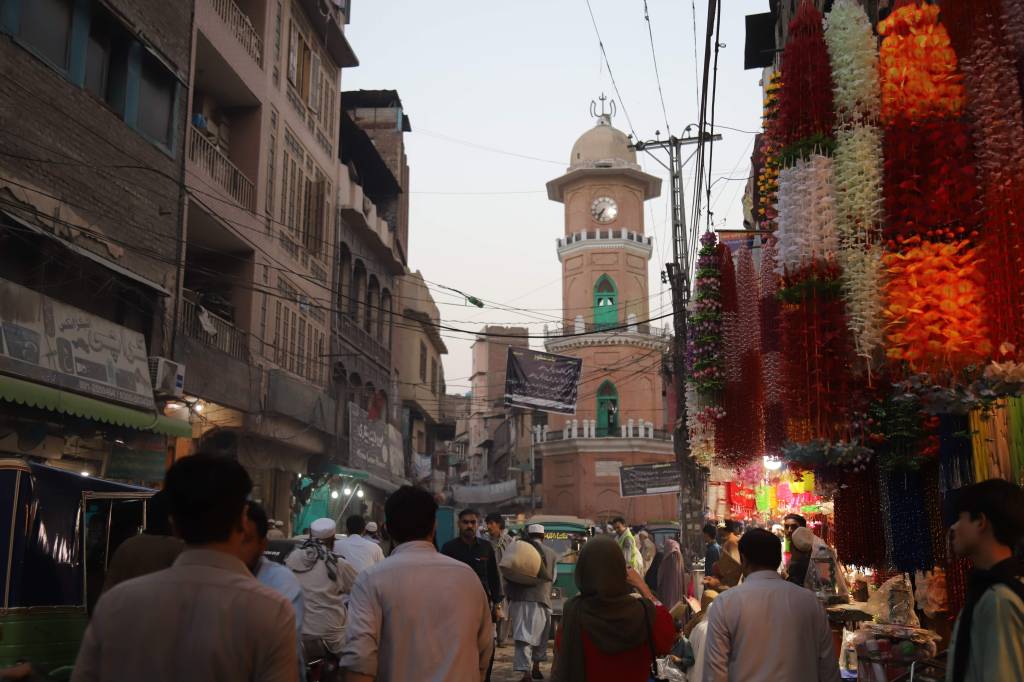
The jeweler’s bazaar is located directly next to the Mahabat Khan Mosque, so into the night market we went. Even with a headscarf on, I stood out like a sore thumb. We shopped a bit, explored the alleyways filled with all sorts of vendors, and went behind-the-scenes at some eateries. As I noted in Swat Valley, but on a much more populated level in Peshawar, men were doing the shopping and the selling, while very few local women were out – and if they were, most were completely covered, including their eyes (as enforced by the Taliban under Sharia Law). The curious attention I received for appearing different became overwhelming after two hours of strolling. Acknowledging the endless slew of men approaching my guide and I to ask all sorts of questions in Urdu (which I don’t remotely speak), while covered head-to-toe in harsh humidity was an intense experience.






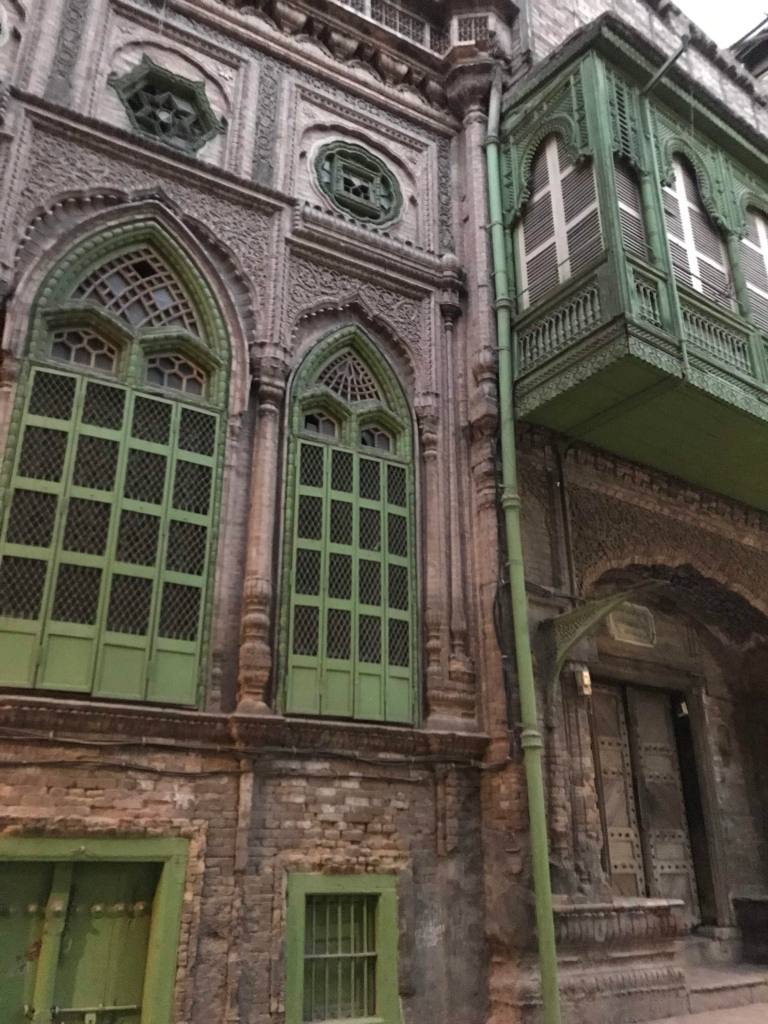
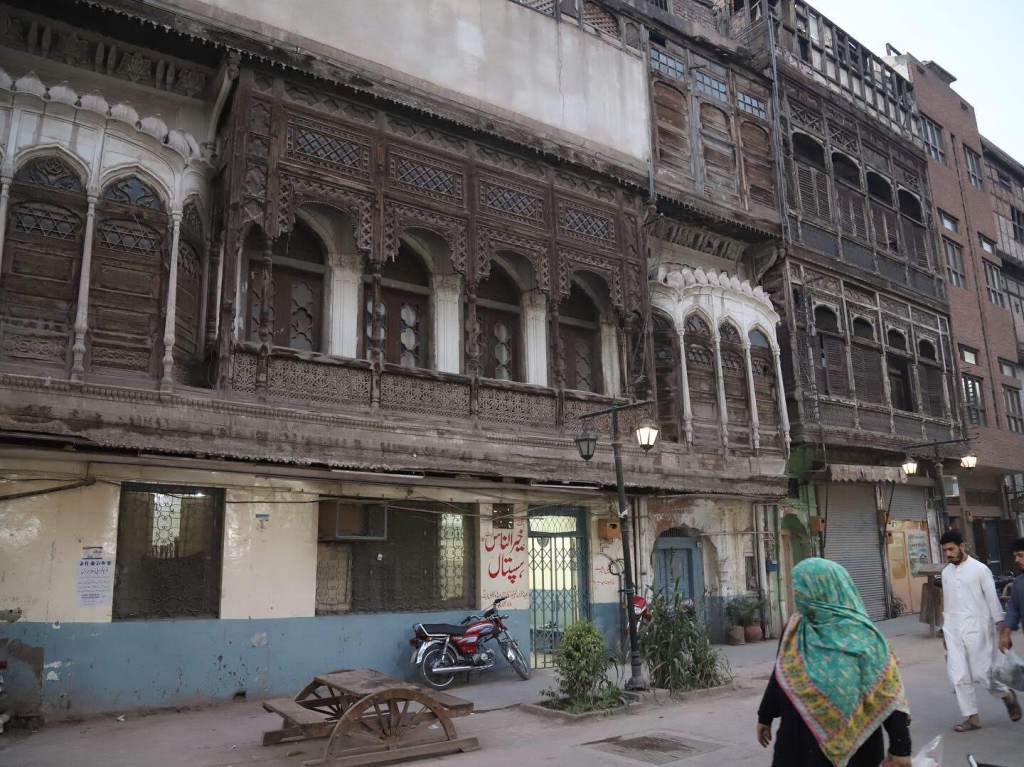
The architecture in Old Town was noteworthy, with detailed wood carvings unique to anything I had seen in Pakistan thus far. Sethi Mohallah is a specific neighborhood in Old Town Peshawar with multiple mansions built by the Sethi family, a Hindu trader family from Punjab that migrated to Peshawar in the 19th century. The buildings were designed in a style reminiscent of Central Asia with elaborate wooden detailing, and undoubtedly added further charm to Peshawar’s aesthetic.

The next morning, before starting our drive to Lahore, we stopped at the mausoleum of Rehman Baba, a renowned Pashtun Sufi Dervish and poet in Peshawar during the Mughal era. His poetry is said to express the mystical side of Islam, in line with his Sufi-oriented nature. The gardens surrounding the mausoleum were something special.


I loved the vitality and character of Peshawar. You can feel the vibrancy of its diverse history, and I only scratched the very surface. It’s my hope that peace continues to be on Peshawar’s side, so more people can experience its charm, safe and sound.
 Wandering Ways