It was the 17th day of our journey and the last leg of our epic roadtrip, en route to Islamabad. The capital of Pakistan since the 1960’s and the ninth largest city in Pakistan (although, the Islamabad-Rawalpindi metropolitan area is the fourth largest in the country).
About two hours out, we passed through Abbottabad, the city in which Al-Qaeda leader Osama Bin Laden was hiding and later killed by U.S. troops in 2011. The area is heavily guarded and not open to visitors, so we simply rolled on by in awe.
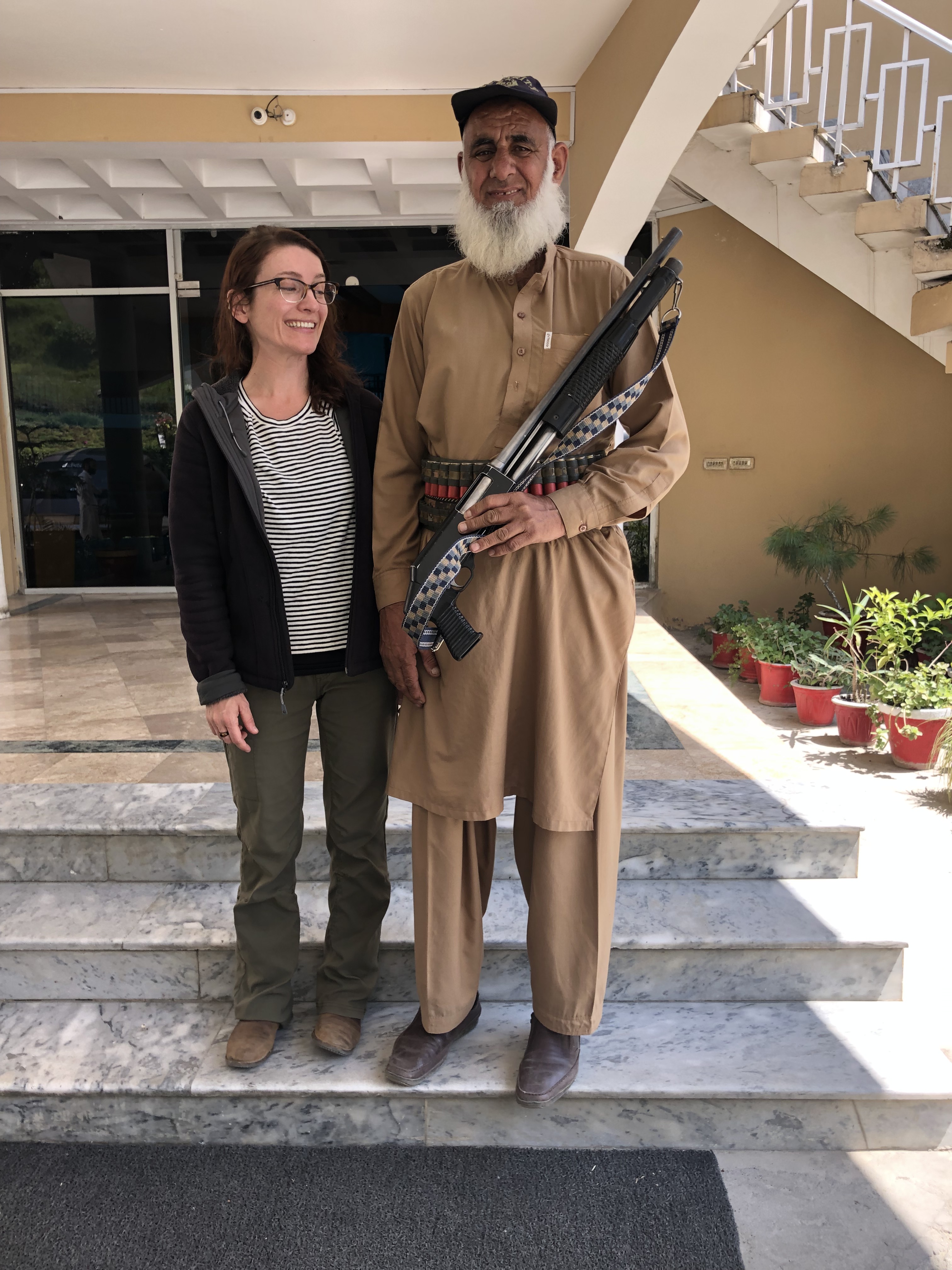
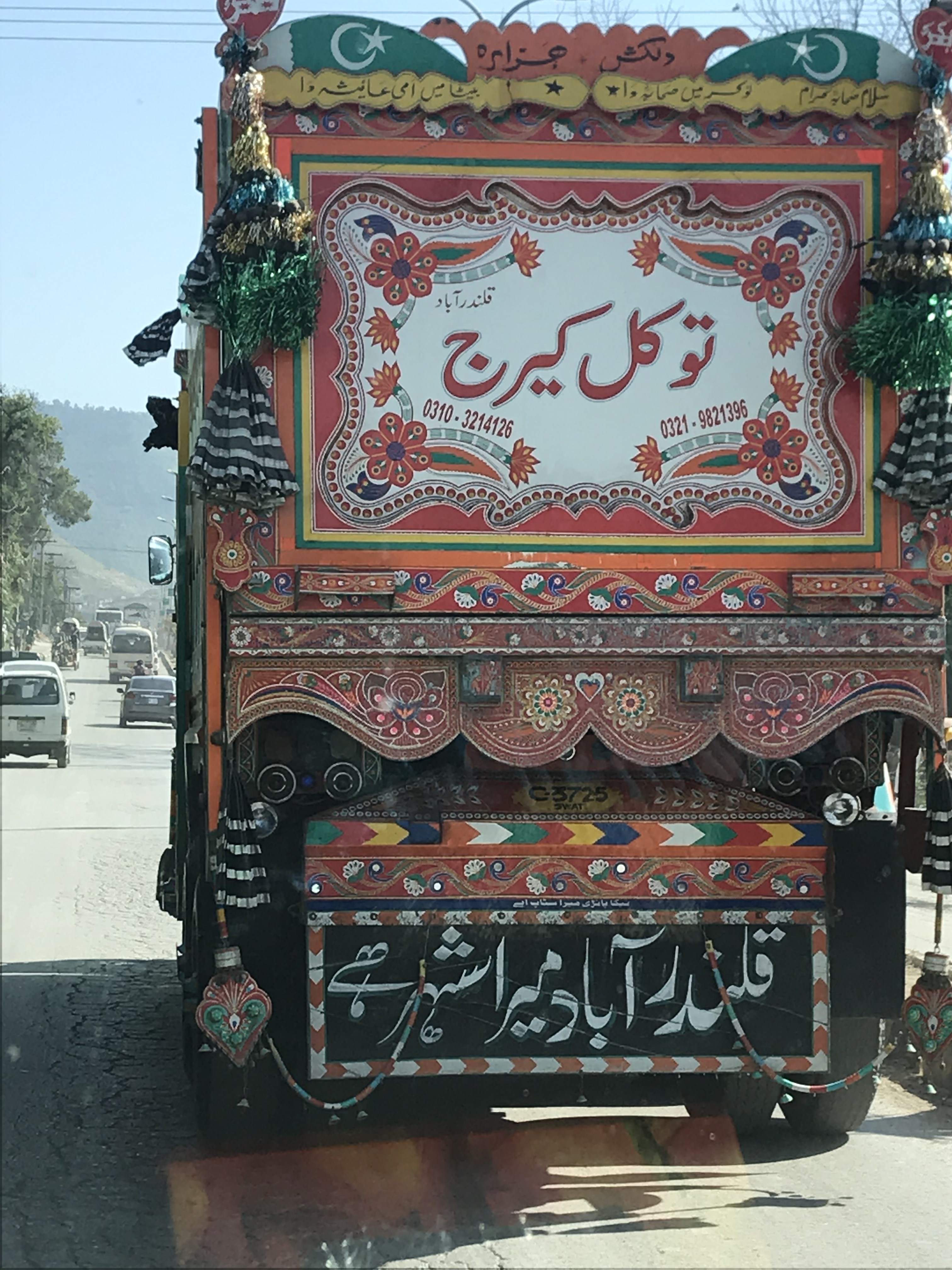
As we neared the city, everything outside of our van was becoming dramatically different than the scenic mountain ranges we just left behind. Traffic, building compounds, pollution, bustling storefronts… the sea of jingle trucks were familiar and always appreciated. We stopped for a snack and bathroom break at a hotel, where a man in uniform with a large gun greeted us. He was all smiles, even though his gun was over half my size. He welcomed photos and was visibly entertained by our amusement.


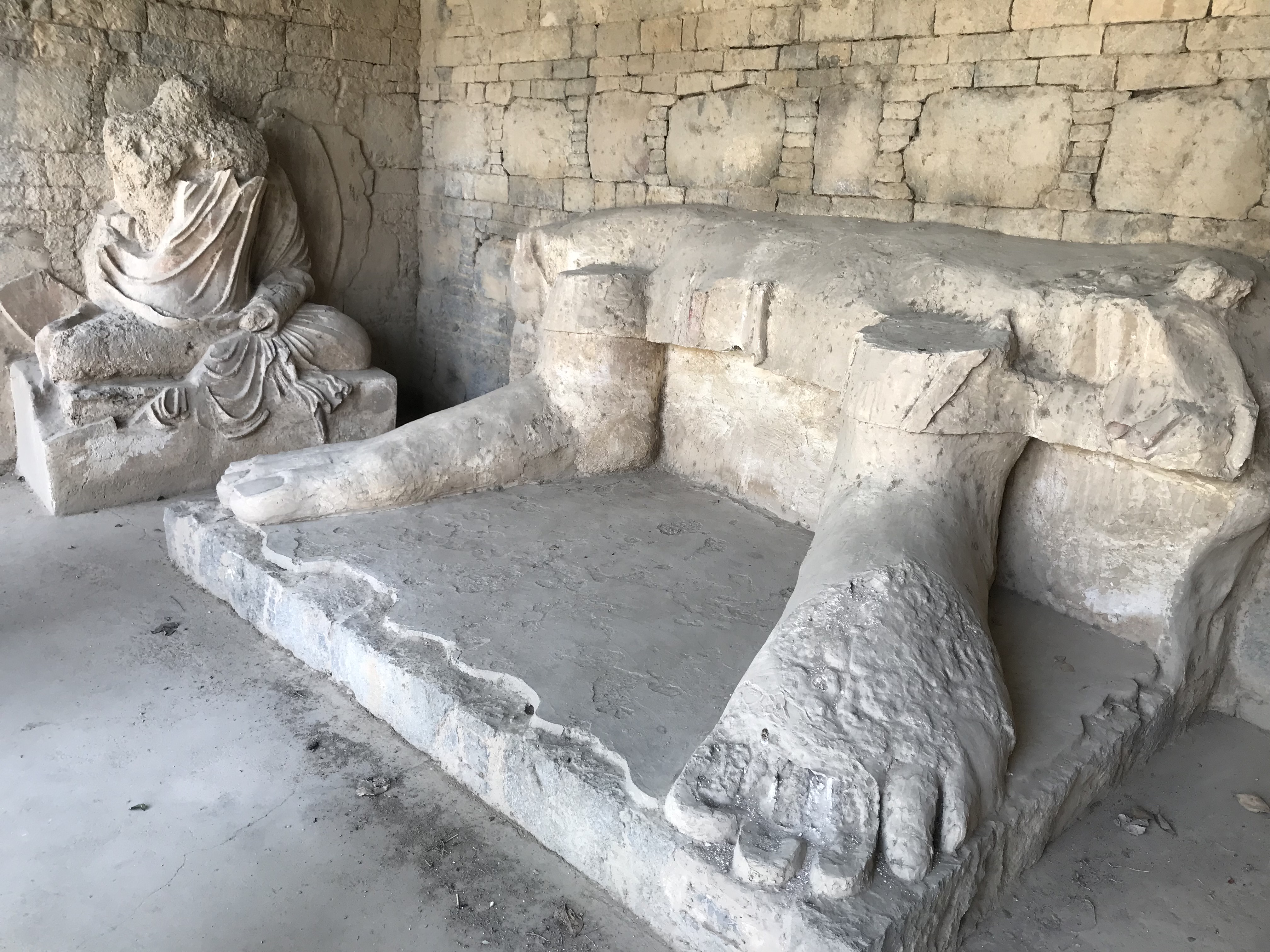
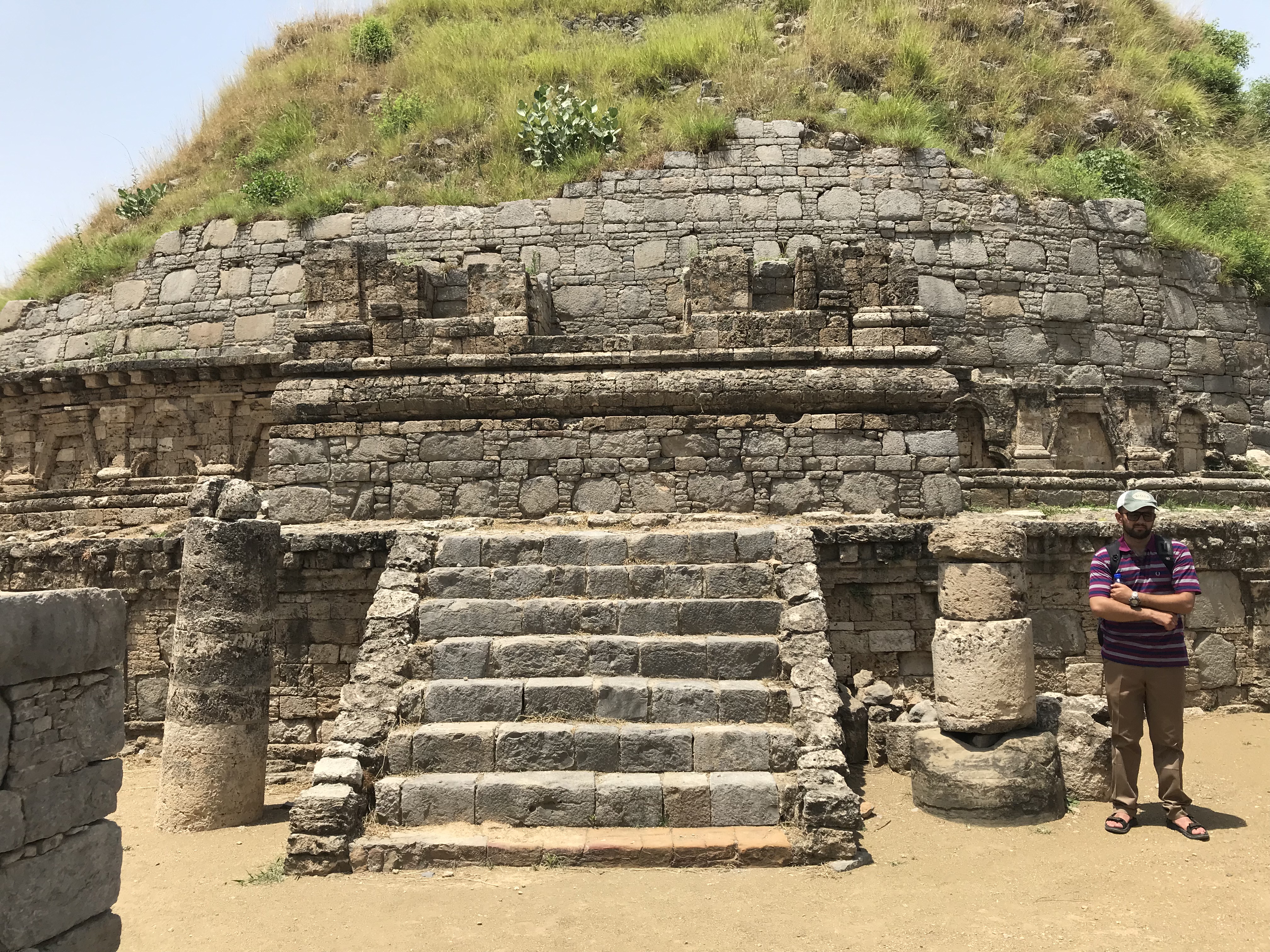
Before reaching the city-center, we stopped at the archaeological site of Taxila. Designated as a UNESCO World Heritage site in 1980, Taxila was an important city in Ancient India with origins back to 1000 BCE (the region around Taxila was settled by the neolithic era, with some ruins dating to 3360 BCE). Considered one of the earliest universities in the world, sharing religious teachings of Buddhism, archery, hunting, elephant lore, in addition to law school, medical school, and school of military science, attracting students from around the world. We explored the area, in boiling 100+ degree heat, envisioning what use to be.



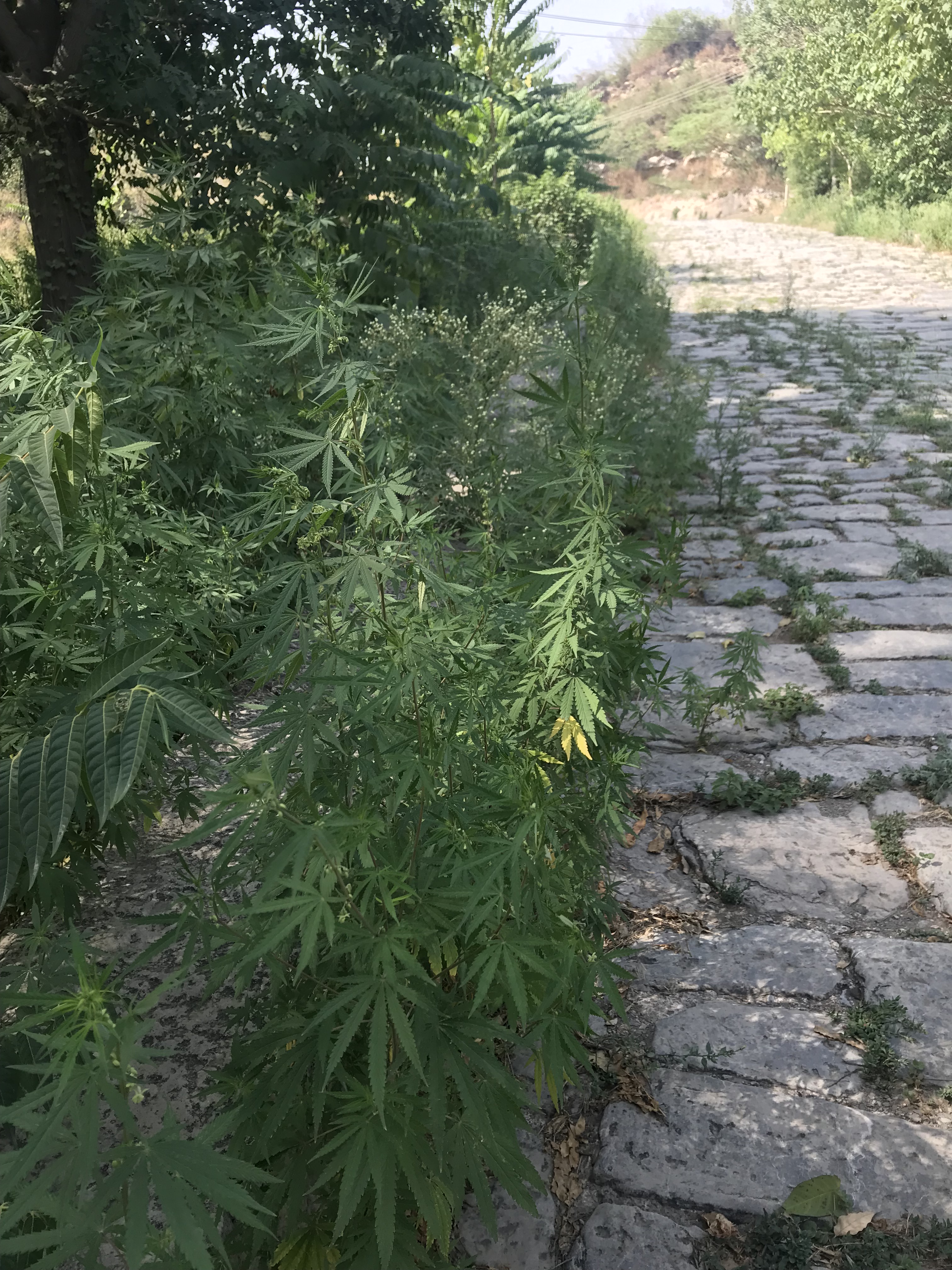
Taxila lies right off the Grand Trunk Road, one of Asia’s oldest and longest major roads. For at least 2,500 years, it has linked Central Asia to the Indian subcontinent, running roughly 1,491 miles from Bangladesh on the border with Myanmar, west to Afghanistan, passing through India, and in Pakistan. Over the centuries, the road acted as one of the major trade routes in the region. Parts of the Grand Trunk Road are still used for transportation in present-day, having been widened and included in the national highway system. We were able to walk an old, unused section near Taxila, and while there was no traffic present, wild marijuana plants had grown rampant.

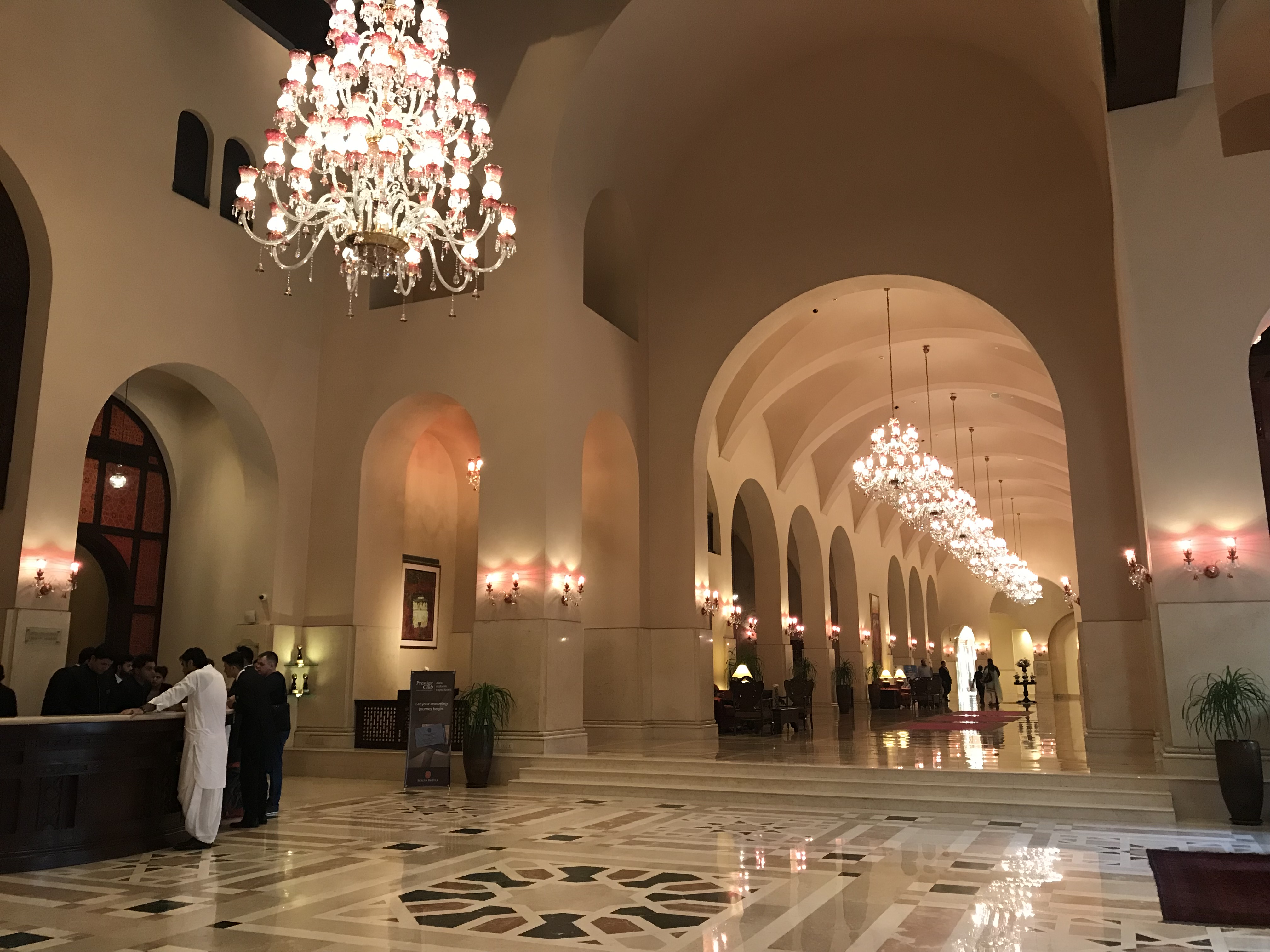
We eventually checked into the luxurious Islamabad Serena Hotel. Compared to the rustic lodges and quaint converted palaces we had been staying in, the Serena felt beyond 5-star quality. A few of us asked to be pinched, just to be sure we weren’t dreaming. It was almost disorienting checking-in to such a lap of luxury!
We had some time to relax before heading out for an evening visit to Faisal Mosque, the fifth-largest mosque in the world and the largest within South Asia (the largest in the world from 1986 to1993, until Saudi Arabia built mosques that surpassed its capacity). Located at the northernmost end of the city and at the foot of the Margalla Hills (the westernmost foothills of the Himalayas), the mosque dominates the landscape of Islamabad. It was an overwhelming sight up close, and rightfully crowded. We strolled the grounds until we were all beat from such a full day (I sadly took very few photos due to being so exhausted). The heat was still severely high, and being so, all fountains were drained to eliminate mosquito induced malaria. Luckily, strolling barefoot on the cool tiles helped relieve us from the sweltering humidity – most mosques in South Asia were cleverly built with cool tiles for this very purpose.

It may go without saying, we all slept like babies that night in high thread-count sheets and customizable air conditioning. Welcome to Islamabad!
 Wandering Ways